
Peace Lily Care Guide: How to Grow, Water & Make Your Peace Lily Bloom
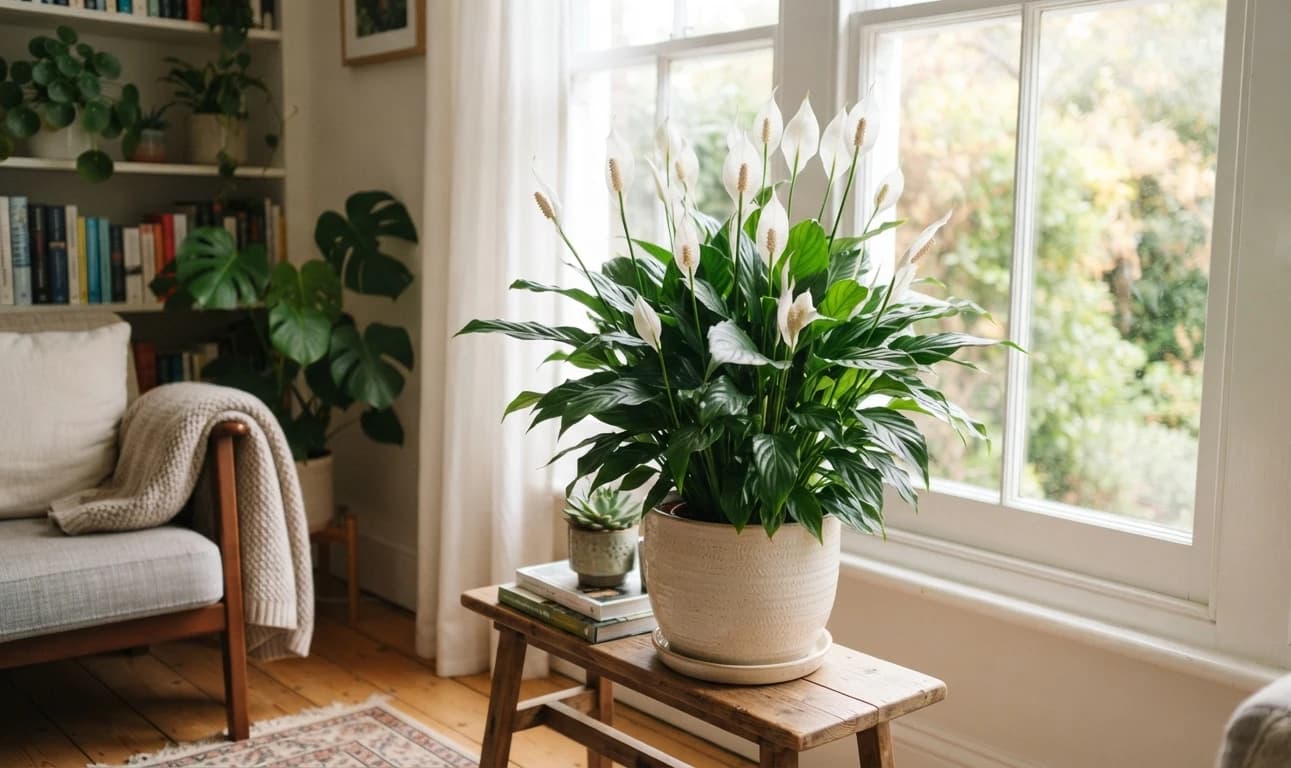
Peace Lily (Spathiphyllum) is one of the most popular indoor plants for homes and offices because of its lush green foliage, air-purifying qualities, and elegant white blooms. But if you are new to Peace Lily plant care, questions like how often to water a Peace Lily, how much sunlight it needs, why Peace Lily leaves turn yellow, and how to make a Peace Lily bloom are completely normal.
The good news is that Peace Lily care is simple when you get the basics right. This guide explains how to grow and care for a healthy Peace Lily indoors, with practical tips that work exceptionally well for Indian weather conditions.
Peace Lily Care at a Glance
- Light: Bright, indirect sunlight (avoid harsh direct sun).
- Water: Water when the top 1–2 inches of soil feel dry.
- Soil: Loose, rich, well-draining potting mix.
- Humidity: Moderate to high humidity (50%+).
- Temperature: Warm indoor conditions (18°C to 30°C).
- Fertilizer: Light feeding with organic liquid fertilizer during spring and summer.
- Pot: Use a container with proper drainage holes.
Where Should You Keep a Peace Lily Indoors?
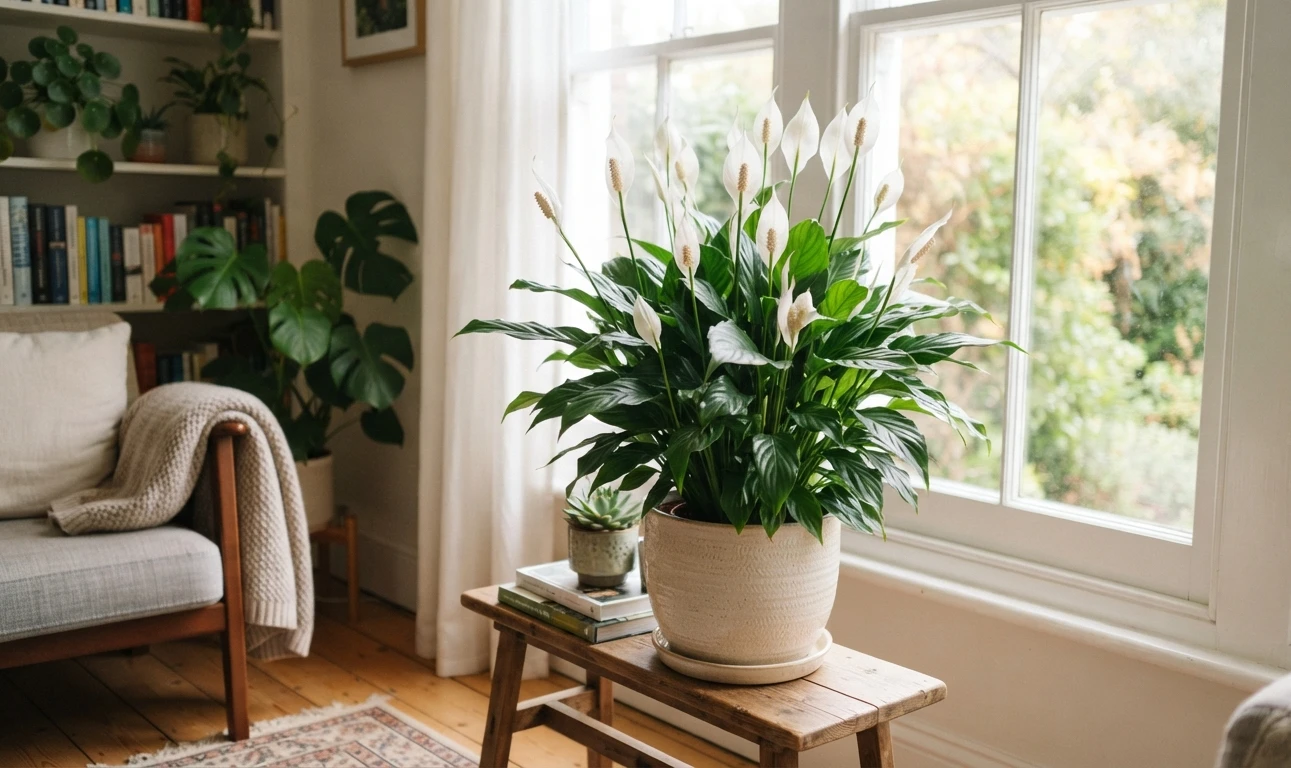
Peace Lilies thrive in bright, indirect light. They love natural ambient light but cannot tolerate harsh, direct afternoon sunlight, which can burn their dark green leaves.
Ideal Spots in Your Home:
- Near an east-facing window that gets mild morning sun.
- A few feet away from a bright south- or west-facing window with sheer curtains.
- Well-lit living room corners or office desks near natural light.
Can a Peace Lily grow in low light?
Yes, Peace Lilies can tolerate lower light conditions better than many other indoor plants. However, if kept in a dark room for too long, they will grow slowly and will stop producing white flowers. To encourage blooms, ensure it gets plenty of bright filtered light.
How Often Should You Water a Peace Lily?
Improper watering is the #1 reason Peace Lilies struggle. They love consistently moist soil, but sitting in soggy, waterlogged soil causes root rot.
The Touch Test Method:
Before watering, poke your finger 1 to 2 inches into the soil:
- If it feels wet or sticky: Wait a few more days.
- If it feels dry and flaky: Water thoroughly until water drains out from the bottom holes.
Pro Tip: Peace Lilies are famous "drama queens." When thirsty, their leaves will dramatically droop all at once. Don't panic! Give them a good drink of water, and they usually bounce back to life within 2 to 4 hours.
Best Soil & Potting Mix for Peace Lily
Using standard heavy garden soil in a pot suffocates the roots. A Peace Lily needs a light, well-aerated potting mix that retains moisture without holding stagnant water.
Ideal Potting Mix Recipe:
- 40% Garden Soil / Potting Mix
- 30% Coco Peat or Compost
- 20% Perlite or Vermiculite (for aeration)
- 10% Organic Vermicompost
Always ensure your pot has at least one functional drainage hole.
How to Make Your Peace Lily Flower
Peace Lilies usually bloom naturally during spring and summer. If your plant is healthy but hasn't flowered in a long time, try these simple steps:
- Increase Filtered Sunlight: Move it to a brighter location without direct sun exposure.
- Feed Lightly: Apply a balanced, water-soluble organic liquid fertilizer every 4–6 weeks during spring and summer.
- Keep the Leaves Clean: Wipe the large green leaves with a damp cloth every two weeks to clear dust so the plant can photosynthesize efficiently.
Ready to Bring Nature Indoors?
Whether you are looking to purify your indoor air, elevate your living room space, or gift a meaningful plant to a loved one, a healthy Peace Lily is an unbeatable choice.
👉 Bring home your own lush, air-purifying indoor plant today: Buy Grexo Premium Peace Lily